the eighteenth century in Maratea
COMMERCIAL PORT
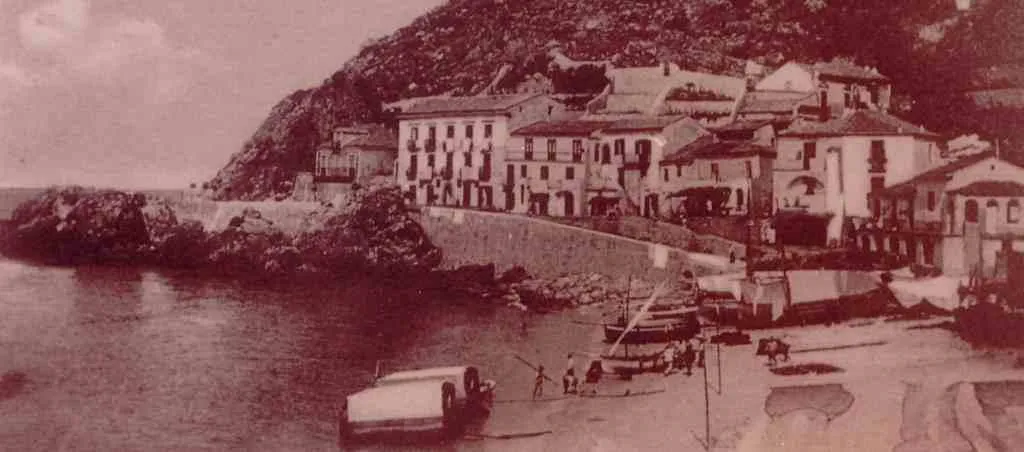
The conditions of prosperity that developed over the centuries ensured, at the beginning of the eighteenth century, that Maratea enjoyed a privileged position compared to the rest of the towns in Basilicata.
The possibility of a port, or rather a series of landings along the coast, made Maratea the commercial outlet for the products of the Lucanian hinterland, and the local agricultural productions—although limited to wine and oil due to the harshness of the Maratean land—generated a very enterprising middle class in the town.
The economy of the late 1700s...
At the end of the century, traveler Lorenzo Giustiniani described the productions of Maratea in his “Geographical Dictionary of the Kingdom of Naples”:
"The territory of this city is not very fertile, because it is very stony, producing nothing except for some good wine, especially in certain places, and every other production by force of industry.
It is abundant in water, and there are many mills, fulling hammers, which bring profit to that population.
The greatest product is that of oil. The said territory abounds in sumac, which reduced to powder sells elsewhere for tanning leather.
Vegetables are grown successfully there, as are citrus fruits and prickly pears, which in the summer months serve as food for the poor people, as well as carob beans.
There is hare hunting, fox hunting, wolf hunting, and hunting of more species of birds, and the sea provides abundant fishing.»
REHABILITATION CENTER
At the beginning of the unhappy Bourbon domination, Maratea was at the head of one of the four districts of the region, and from it depended the lands of Miglionico, Salandra, San Mauro Forte, Stigliano, Cirigliano, Armento, Gorgoglione, Guardia Perticara, San Martino, San Chirico Raparo, Carbone, Latronico, Episcopia, San Severino Lucano, Rotonda, Pappasidero, Castelluccio (which was later divided into the municipalities of Castelluccio Inferiore and Castelluccio Superiore), Lauria, Trecchina, Rivello, Lagonegro, Castelsaraceno, Corleto Perticara, Accettura, Oliveto Lucano, Garaguso, and Calciano.
THE COASTAL VILLAGES DISAPPEAR
Happy Hospital
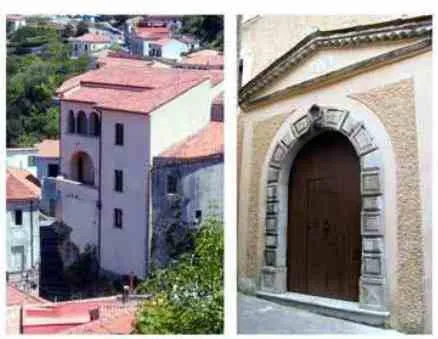
In 1734, the local benefactor Giovanni De Lieto, a member of an ancient noble Maratea family, bequeathed his palace and assets for the establishment of a minimal hospital shelter.
The cessation of Saracen threats, which occurred in 1740 thanks to the Ottoman Gate treaty, combined with the demographic growth of the city, gave impetus to the birth of new villages along the coast, such as Acquafredda, Cersuta, and the Port, to which Massa in the hinterland and the first neighborhoods that today populate the Maratea valley were added.
Italy's last travel frontier
A NEW WAY TO EXPLORE THE CITY
AN ENTRING TREASURE HUNT
that unites the entire family in fun
MARATELL. THE LEGACY OF THE SARACEN
A StreetAdventures™ necklace adventure